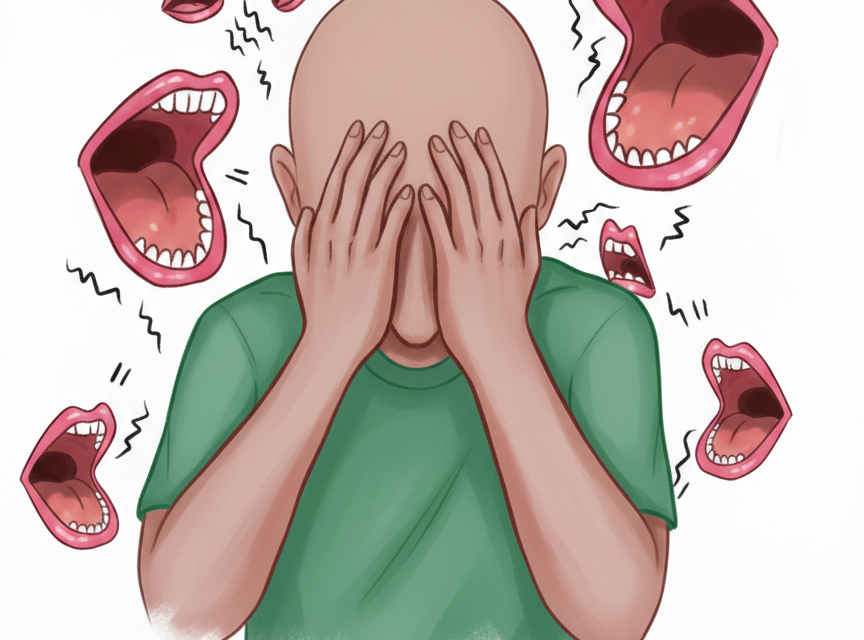
A moment many men know well: sitting in a crowded room, phone buzzing, life considered “fine”, yet feeling deeply, inexplicably alone. Not bored. Not sad in a way that is easily explained. Just hollow. The most unusual part is not the loneliness itself, but rather how hard it is to even label it as such.
This is what people mean when they mention the Male Loneliness Epidemic. It is not only about having fewer friends or being single. It is about a growing number of men who feel emotionally disconnected from others, from themselves, and any safe language to describe what they are experiencing. And while it has been getting more attention lately, it has been silently building for generations.
From an early age, young boys are taught the same lesson in different forms: be strong, do not complain, and handle it yourself. Emotional needs are perceived as flaws. Vulnerability is viewed as something you eventually outgrow. By adulthood, self-reliance has been an identity, not merely a value. So when loneliness shows up, it does not arrive with a clear label. It presents itself as agitation, irritation, exhaustion, and numbness. Anything but “I am lonely”.
That is one reason loneliness in men is more invisible. Men are less likely to talk about it, and when they do, they often do not use emotional language. Instead of saying “I feel disconnected”, they might say “I am tired” or “I am just busy”. Instead of reaching out, they withdraw. On the outside, things such as jobs, friendships, and routines can be normal, while on the inside, something essential is missing.
However, the origins go deeper than individual choices. According to BlogCalm, a mental health wellness blog, it is because social structures have changed. Communities are looser. Work is more isolating. Many traditional spaces where men bonded, such as clubs or even urban hangouts, have faded. At the same time, men are often socialised to build relationships around shared activities, not emotional openness. When those activities disappear, the connections quietly go with them.
So why is this becoming harder to ignore now? According to OCHealthPsych, it is partly because the consequences are now showing. Rising rates of depression, substance abuse, and suicide among men have forced uncomfortable conversations. The COVID-19 pandemic amplified isolation and stripped away distractions. Social media, despite connecting us digitally, has made comparison easier and belonging harder. The cracks are no longer subtle.
But here is the part that matters most: if this resonates with you, it does not mean there is something wrong with you. It means that you are human in a system that does not teach you how to tend to your inner life. Loneliness is not a personal failure; it is a signal, a need asking to be acknowledged.
Naming the loneliness is important because it gives structure to something that has been sitting on your chest without words. It brings that silent melancholy to life, allowing you to share it with a friend or perhaps just yourself. And when it is said aloud, even gently, it can spark conversation, connection, and little, honest moments that remind you that you are not broken and that you are not carrying this alone.

Visual: Esther Ndebele
Buhle Jantjies
Originally published on the PDBY website: The Loneliness Men Were Never Taught to Name